



Uganda’s higher education system is quietly heading into one of its biggest overhauls in years, and the National Council for Higher Education (NCHE) has just started the real work of pulling it off.
The Council has begun assessing about 700 university programmes that have been reworked to fit the new competence-based education and training (CBET) system, ahead of a planned rollout for the 2027/2028 academic year. Of those 700, 322 (46 percent) fall under STEM while 378 (54 percent) are humanities programmes, out of more than 4,000 programmes currently offered across Uganda’s university system, meaning this first batch is still a small slice of what eventually needs reviewing.

NCHE has put together a team of 50 assessors, made up of senior lecturers and professors, to scrutinise the submissions. Deputy Executive Director Dr Alex Mugisha Kagume said institutions have already received guidelines on how to realign their programmes and have started submitting revised versions for review. The push traces back to a directive from First Lady and Education Minister Janet Museveni last year, requiring all higher education institutions to fully switch to the competence-based curriculum approach.
Here’s the part students should pay attention to: under CBET, universities must prove their class sizes, equipment, facilities and staffing can actually support the number of students they want to admit onto a programme. Dr Kagume was clear this isn’t a blanket cut to admissions, but where an institution’s resources fall short, the numbers it’s allowed to enrol on that specific programme could shrink. Programmes won’t need to look identical across universities either, as long as each one can demonstrate it produces the required competencies.
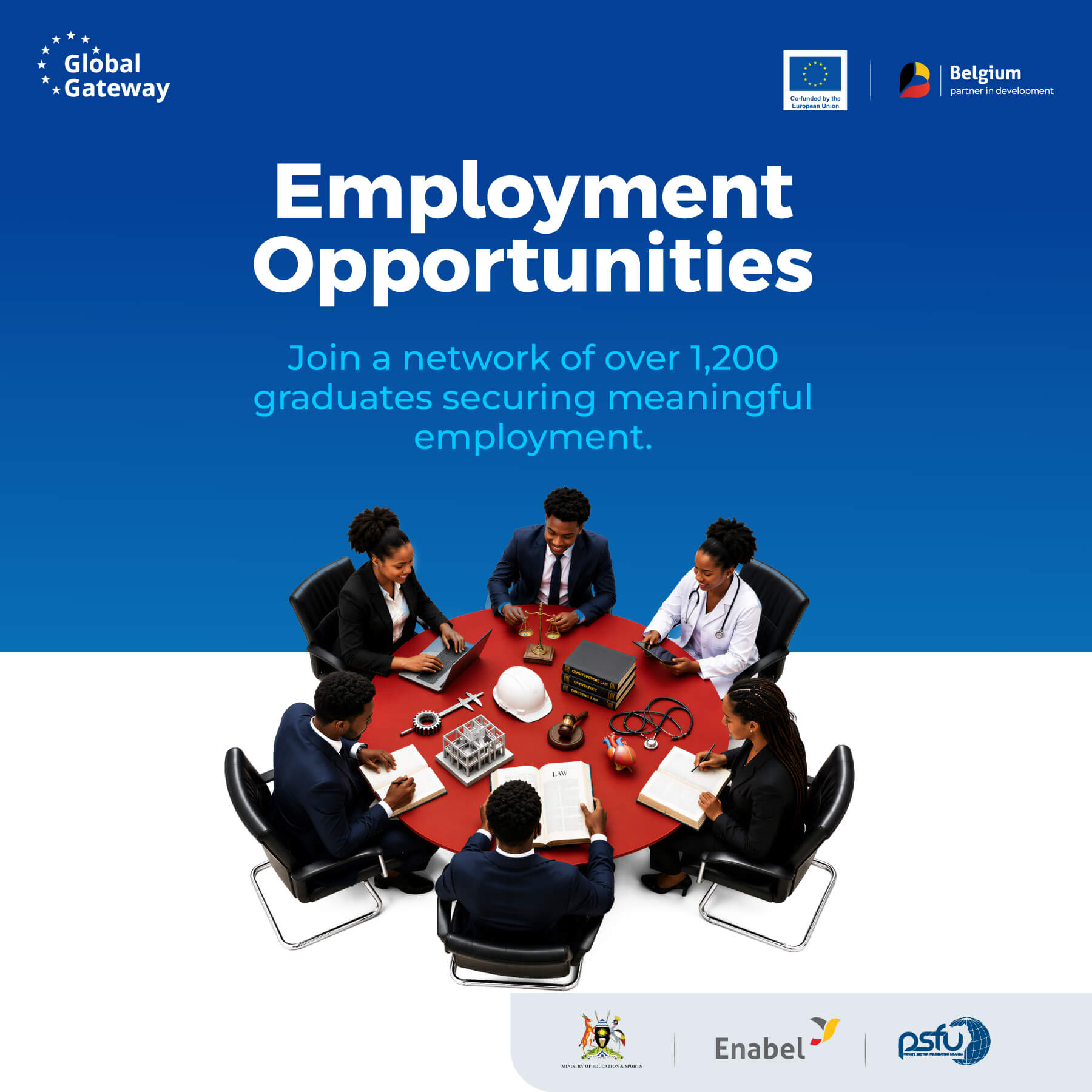
Internships are also getting an overhaul. Where many programmes currently send students out once, CBET will require two internship placements during a degree, alongside a bigger shift toward practical, hands-on learning over straight lecture-hall content. Dr Vincent Ssembatya, NCHE’s director of Quality Assurance and Accreditation, said learning under the new system can happen well beyond a classroom, in industries, on farms, or in facilities institutions set up themselves, with technicians and industry professionals brought in to help train students directly.
Professional programmes like medicine, pharmacy and engineering will be assessed jointly with their respective professional bodies, and NCHE says it will keep monitoring institutions even after accreditation to make sure facilities and staffing don’t quietly slide backward.
With 60 universities currently accredited and roughly 4,000 programmes still to work through, NCHE admits it isn’t yet certain every institution will be fully compliant before the 2027/2028 intake. For prospective students eyeing a 2027 admission, the programme and university you pick this cycle might look a little different by the time you actually enrol.


